The label printing industry plays a vital role across multiple sectors, including food & beverage, pharmaceuticals, cosmetics, logistics, and retail. With the continued growth of branded products and regulatory labeling requirements worldwide, starting a label printing business can be a profitable and scalable opportunity—if done right.
Before investing in machines or materials, it’s critical to understand the market landscape.
Market demand: Pressure-sensitive labels, shrink sleeves, wrap-around labels, and eco-friendly labels are all seeing strong global demand.
Target industries: Food packaging, daily chemicals, pharmaceuticals, logistics, and e-commerce all rely heavily on labels.
Trends:
Sustainable and recyclable materials
Short-run and customized labels
Faster turnaround times
Competition: Analyze local and international competitors—pricing, quality, lead time, and service.
A solid understanding of customer needs and market gaps will help you position your business strategically from day one.
Your printing equipment is the backbone of your label printing business. Choosing the right technology directly affects print quality, production efficiency, and profitability.
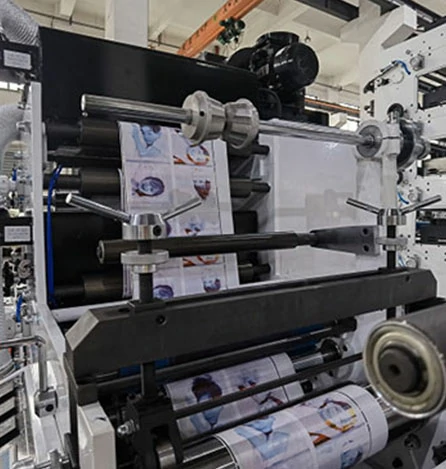
Flexographic printing – Ideal for mass production, versatile substrates, and cost-effective long runs
Digital printing – Best for short runs and variable data
Offset printing – High quality but higher setup costs
For most startups aiming at commercial-scale production, flexographic label printing is often the most balanced and scalable option.
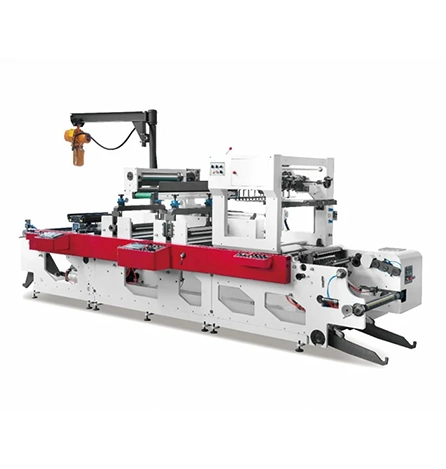
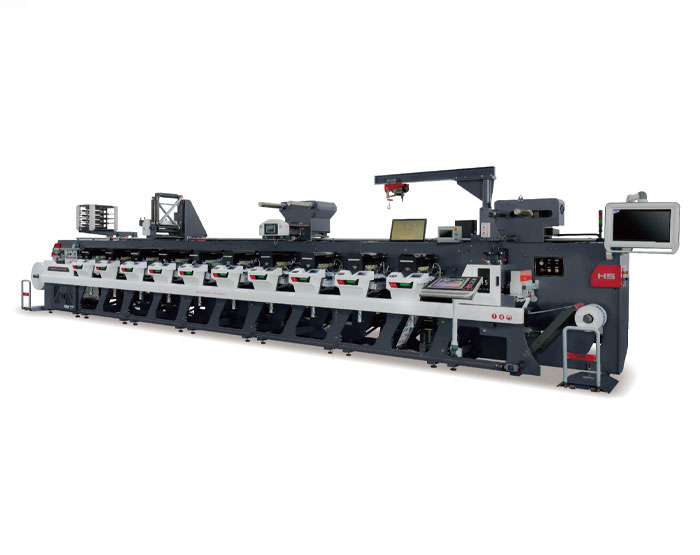
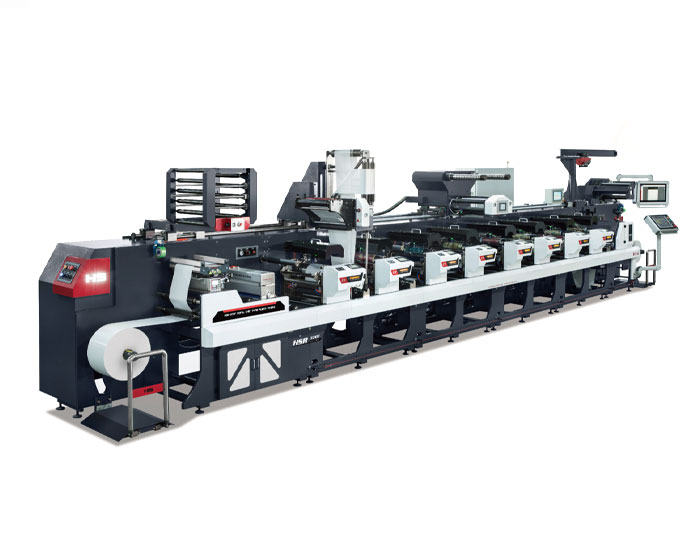
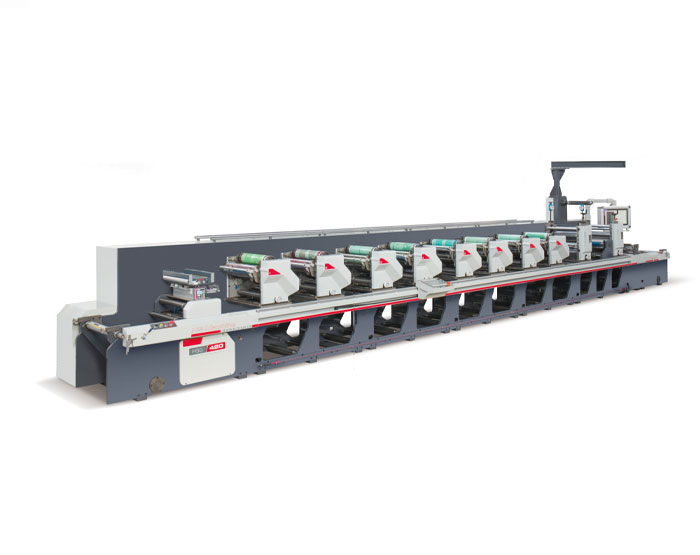
When selecting reliable and efficient equipment, HONGSHENG’s Label Flexo Printing Machine stands out as a strong choice for both new and growing label printing businesses.
Key advantages include:
High-speed, stable performance suitable for pressure-sensitive labels
Compatibility with various materials such as paper, PET, BOPP, and film
Precise color registration for consistent print quality
User-friendly operation, reducing training and labor costs
Scalable configuration to support future business expansion
HONGSHENG label flexo machines are widely used in food, beverage, pharmaceutical, and daily-use packaging industries, making them a practical investment for startups that want professional output without excessive risk.
A well-structured business plan helps you stay focused and is essential if you’re seeking financing or partners.
Business model: B2B label supplier, niche market focus, or full-service printing
Startup costs:
Printing equipment
Factory space
Raw materials (substrates, inks, plates)
Labor and utilities
Pricing strategy: Cost-plus pricing or value-based pricing
Revenue forecast and break-even analysis
Legal and compliance requirements:
Business registration
Environmental and safety regulations
Industry certifications (if applicable)
Planning ahead reduces risks and improves decision-making as your business grows.
Even with great equipment, your business won’t grow without visibility and trust.
Define your unique selling points (quality, speed, customization, sustainability)
Create a professional brand identity (logo, website, samples)
Company website with product galleries
SEO content targeting packaging and label buyers
B2B platforms and trade directories
Social media (LinkedIn, industry-focused platforms)
Trade shows and packaging exhibitions
Direct sales and long-term customer partnerships
Providing fast samples, consistent quality, and responsive service can quickly set you apart from
You don’t need a massive factory on day one.
Start with one or two core machines
Focus on a specific label segment initially
Reinvest profits into automation and additional colors or finishing units
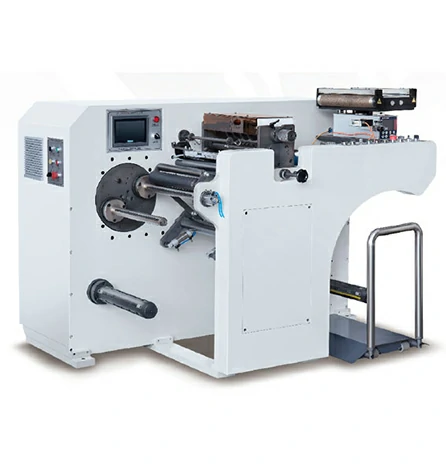
Expand services such as die-cutting, laminating, or inspection systems
Gradually enter higher-value markets like pharmaceutical or premium cosmetic labels
Scalability is one of the biggest advantages of flexographic label printing—especially with modular equipment like HONGSHENG’s systems.
Starting a label printing business requires careful planning, market awareness, and the right equipment. By researching the industry, investing in reliable machinery such as the HONGSHENG Label Flexo Printing Machine, building a clear business plan, and focusing on branding and gradual growth, you can create a competitive and sustainable printing operation.
With global demand for labels continuing to rise, now is an excellent time to enter the label printing industry with a long-term vision.
Q1: Is a label printing business profitable?
Yes. With proper equipment, efficient operations, and stable customers, label printing offers strong margins and repeat orders.
Q2: What is the best printing method for labels?
Flexographic printing is one of the most widely used methods due to its speed, material flexibility, and cost efficiency.
Q3: How much capital is needed to start a label printing business?
Startup costs vary by region and scale, but starting with a single flexo machine and basic finishing equipment can significantly reduce initial investment.
Q4: What materials can be printed with a flexo label machine?
Paper, PET, BOPP, PVC, PE films, and other common label substrates.
Q5: Why choose HONGSHENG label flexo printing machines?
HONGSHENG machines offer stable performance, excellent print quality, and scalability, making them suitable for both startups and expanding label manufacturers.
GET A QUOTE
 English
 Español
 عربي
عربي