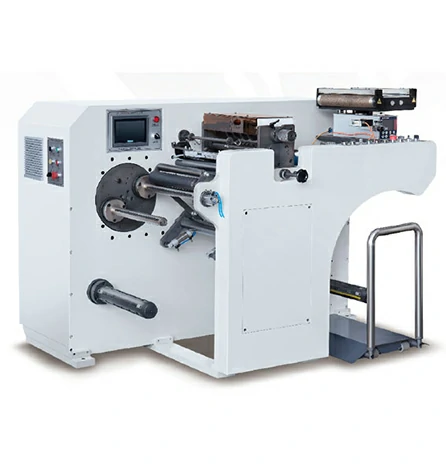
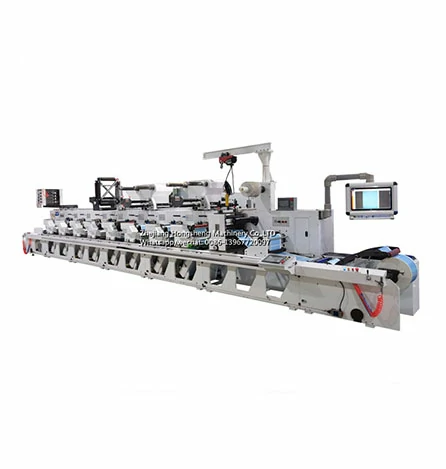
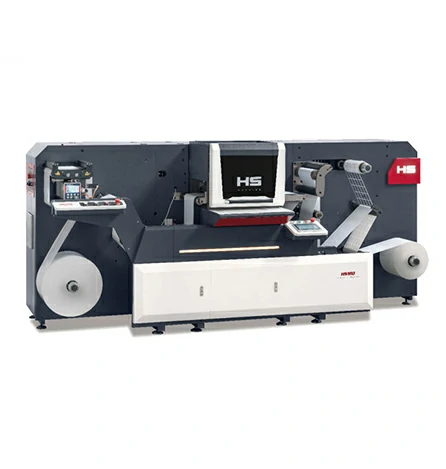
In modern manufacturing and logistics, labels serve as critical carriers of product information—from basic details like brand names and ingredients to compliance-related data such as batch numbers and expiration dates. A label inspection machine (LIM) is an automated quality control device designed to verify the accuracy, completeness, and integrity of these labels. By integrating advanced technologies like optical sensors, image processing, and barcode scanners, it eliminates human error and ensures that only qualified labels reach the market.
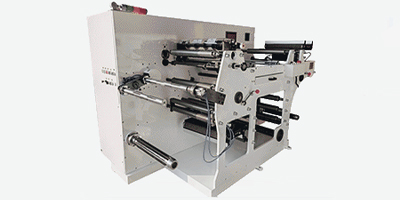
A Label Inspection Machine is an automated quality control system designed to inspect printed labels for defects and inconsistencies. Using high-resolution cameras, sensors, and intelligent software, it checks labels in real time during or after printing to ensure they meet predefined quality standards. These machines help manufacturers maintain accuracy, consistency, and compliance while reducing waste and manual inspection costs.
1. Defect Detection for Printing Quality: LIMs identify common printing flaws such as blurriness, smudges, missing ink, misalignment, and color deviations. This ensures that product labels meet aesthetic and readability standards, avoiding negative impacts on brand image.
2. Verification of Barcodes/QR Codes: One of its core functions is to validate the scannability and accuracy of barcodes, QR codes, or data matrices. It checks for errors like incorrect data, unreadable codes, or damaged symbols, which is vital for inventory management, product tracking, and retail checkout efficiency.
3. Positional Accuracy Inspection: Labels must be applied correctly on products or packaging. The machine detects deviations in label placement—such as offset, tilting, or missing labels—preventing issues like unreadable information or non-compliance with packaging regulations.
4. Information Consistency Check: It cross-verifies that the text, numbers, and graphics on labels match pre-set standards (e.g., batch numbers, expiration dates, product names, and safety warnings). This prevents mislabeling, which could lead to legal risks, product recalls, or consumer confusion.
5. High-Speed Automated Inspection: Designed for production lines, label inspection machine operate at high speeds (up to thousands of units per minute), ensuring seamless integration with mass production without slowing down workflow. They also generate real-time data reports for quality monitoring and process optimization.
Label inspection machines are indispensable across industries where accurate labeling is critical:
Food & Beverage: Ensure compliance with food safety regulations and prevent mislabeling of allergens.
Pharmaceutical & Healthcare: Verify drug names, dosages, batch numbers, and expiration dates to meet strict regulatory requirements and avoid medical errors.
Electronics: Check labels for serial numbers, product specifications, and safety certifications to support traceability and quality control.
Cosmetics & Personal Care: Ensure compliance with labeling standards for ingredients, shelf life, and usage instructions, particularly for international markets with varying regulations.
Logistics & E-Commerce: Validate shipping labels, tracking codes, and address information to reduce delivery errors and improve logistics efficiency.
Automotive: Inspect labels for part numbers, safety warnings, and manufacturing dates, supporting supply chain traceability and quality assurance.
Label inspection machines play a pivotal role in quality control and regulatory compliance across multiple industries. By automating the detection of printing defects, verifying data accuracy, and ensuring proper label placement, they help businesses reduce product recalls, minimize legal risks, enhance brand reputation, and improve production efficiency. In an era of increasing consumer awareness and strict regulations, investing in a label inspection machine is not just a quality control measure but a strategic decision to maintain competitiveness.
Q1. What types of defects can a label inspection machine detect?
A: It can detect printing flaws (blurriness, smudges, missing ink), barcode/QR code errors, label misplacement, incorrect text/graphics, color deviations, and missing labels.
Q2. Do label inspection machines require manual operation?
A: Most modern LIMs are fully automated. After initial setup (e.g., inputting standard label templates), they operate independently on production lines, only alerting operators when defects are detected.
Q3. Are the inspection standards customizable for different industries?
A: Yes. LIMs can be programmed with industry-specific standards—for example, pharmaceutical-grade data verification or food safety labeling requirements—to meet the unique needs of each sector.
Q4. Can label inspection machines handle different label sizes and materials?
A: Absolutely. They are adaptable to various label sizes (from small product labels to large shipping labels) and materials (paper, plastic, foil) by adjusting sensors and inspection parameters.
Q5. How does a label inspection machine improve cost efficiency?
A: By catching defects early in the production process, it reduces the cost of rework, product recalls, and wasted materials. It also eliminates the need for manual inspection, saving labor costs and reducing human error.
GET A QUOTE
 English
 Español
 عربي
عربي